Frankest: A Vintage Font That Elevates Handmade Creations
It was a quiet afternoon in the studio, the kind where inspiration just slips through the cracks of everyday life. I was working on a new line of soy candles, and the moment came when I needed to finalize the label design. I had spent hours choosing colors, textures, and illustrations, but the text still felt flat. Then I opened my font library and saw Frankest. The instant I applied it to the label, something clicked.
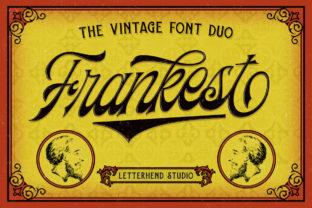
Frankest is a vintage display font that carries an old-school charm, like a handwritten note tucked into a well-worn book. Its curves are soft yet confident, and its character is bold without being overwhelming. It feels like a whisper from the past, inviting you to pause and take notice. This font doesn’t just sit on a page—it lives there, breathing life into every project it touches.
Bringing Frankest to Life on Real Products
I started with candle labels first. The warm amber glow of the wax paired perfectly with the aged feel of Frankest. I used it for titles like “Serenity Blend” and “Cozy Nights,” and the results were immediate. Customers who stopped by my booth at the local craft fair asked about the font, curious about how I achieved such a nostalgic look. It became a subtle but powerful branding tool.
Next, I experimented with greeting cards. Frankest worked beautifully for short phrases—“Happy Birthday,” “Thinking of You,” or even “With Love.” It added a personal touch that felt authentic, almost like the words were written by hand. I printed a small batch and sold them at a local boutique, and they quickly sold out.
Then came wedding invitations. The font’s elegance and warmth made it perfect for event stationery. I paired it with a clean sans serif for the details, creating a balance between classic and modern. The couple loved how it gave their invitation a timeless appeal, and their guests raved about the design.
Where Frankest Shines: From Labels to Wall Art
Frankest isn’t limited to just one type of product. It has found its way onto everything from boutique tags to planner pages. For a recent digital printable collection, I used it for wall art prints, and the response was incredible. People appreciated how it added a sense of nostalgia to their living spaces.
On tote bags, it worked as a brand name or tagline. The font’s legibility on fabric was surprising—despite its decorative style, it remained clear and readable even when printed on larger formats. I also used it on packaging for a line of handmade soaps, and it helped elevate the perceived quality of the products.
For seasonal products, like holiday tags or Christmas cards, Frankest brought a cozy, homey vibe that customers connected with. It wasn’t too ornate, but it had enough personality to stand out against more traditional fonts.
Designing with Frankest: Tips and Pairings
When using Frankest, I’ve found it works best for short phrases, names, or titles. Longer blocks of text can feel cluttered, so it’s ideal for display use rather than body copy. If you need to pair it with another font, a clean sans serif like Helvetica or a simple serif like Georgia creates a nice contrast.
For cutting machines like Cricut or Silhouette, I recommend testing the font at different sizes to ensure it cuts cleanly. Small stickers or product labels may require adjusting the stroke weight or spacing to avoid jagged edges. Always check the file format—whether it’s OTF, TTF, or SVG—and confirm that it supports the languages you’ll be using.
If you’re planning to sell physical products, templates, or digital downloads, make sure to review the font’s licensing agreement. Some fonts have restrictions on commercial use, especially for print-on-demand services or bulk production. Also, look for alternate characters, ligatures, or swashes that might enhance your designs further.
Creating Emotional Appeal with Typography
Typography isn’t just about looks—it’s about emotion. Frankest adds a layer of storytelling to any project. Whether it’s a farmhouse sign, a boutique tag, or a digital download, the font helps communicate a mood. It speaks of tradition, craftsmanship, and authenticity—values that resonate deeply with handmade creators.
Using this font consistently across your shop materials builds brand recognition. Customers start to associate the look with your work, making your products instantly identifiable. It’s not just a font; it’s part of your creative identity.
So the next time you’re designing a label, a card, or a tag, consider Frankest. Let it carry your message with a little bit of history, a lot of charm, and the kind of character that makes people stop and look twice.